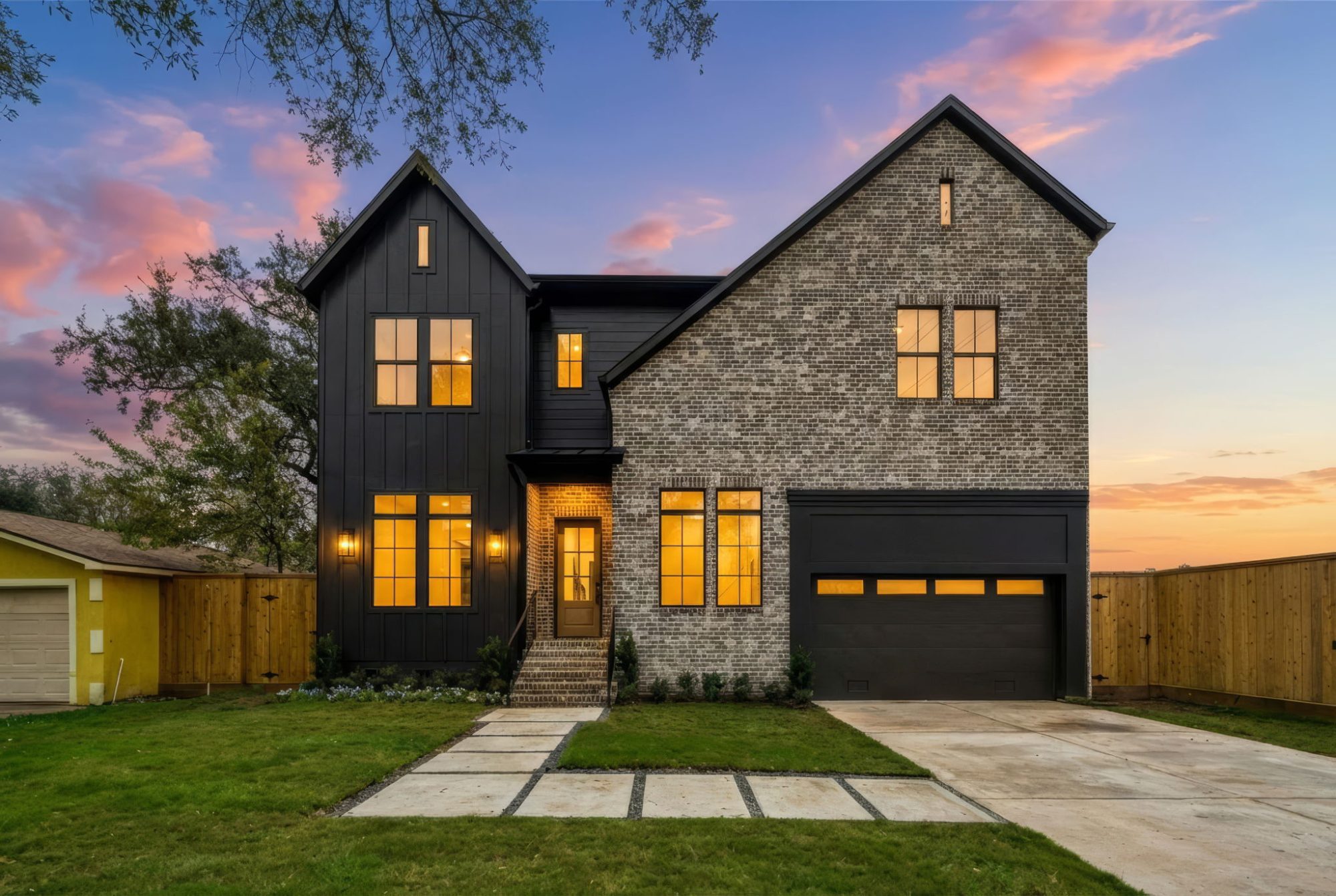
Houston is a beautiful place to build and a hard place for a house to live. In one year a home here can face a hurricane, a week of heavy rain, a hundred days of heat, near-constant humidity and, every few years, a hard freeze. A luxury home here has to do more than look beautiful on move-in day; it has to stay beautiful for decades. At Select Build Construction, every home and renovation pairs refined design with thoughtful, engineer-led construction built to endure all of it. Here is what Houston throws at a home and how we build for each one.
What Houston throws at a home
| Condition | What it does to a house | How we build for it |
|---|---|---|
| Hurricanes and high wind | Tears at roofs, windows and doors; drives rain sideways into walls | Wind-ready roof and opening details, careful flashing, storm shutter options |
| Flooding and heavy rain | Water in the house, damaged slabs and walls, mold | Right slab height, grading and drainage planned for the lot and flood zone |
| Heat | High cooling bills, overworked AC, hot upstairs rooms | Tight air sealing, quality insulation, right-sized HVAC |
| Humidity | Mold, rot, warped trim and cabinets, musty air | Moisture management, dehumidification, waterproofing every wet area |
| Hard freezes | Burst pipes and water damage | Protected water lines and an easy-to-reach main shutoff |
| Power outages after storms | No AC, spoiled food, unsafe heat | Generator-ready planning and equipment kept above likely water |
1. Hurricanes and high wind
Hurricanes and tropical storms are a fact of life on the Gulf Coast, and Hurricane Beryl in 2024 left more than two million Houston-area customers without power. Wind damage usually starts at the edges: the roof, the windows, the doors and the garage door. We plan those details for high wind from the start.
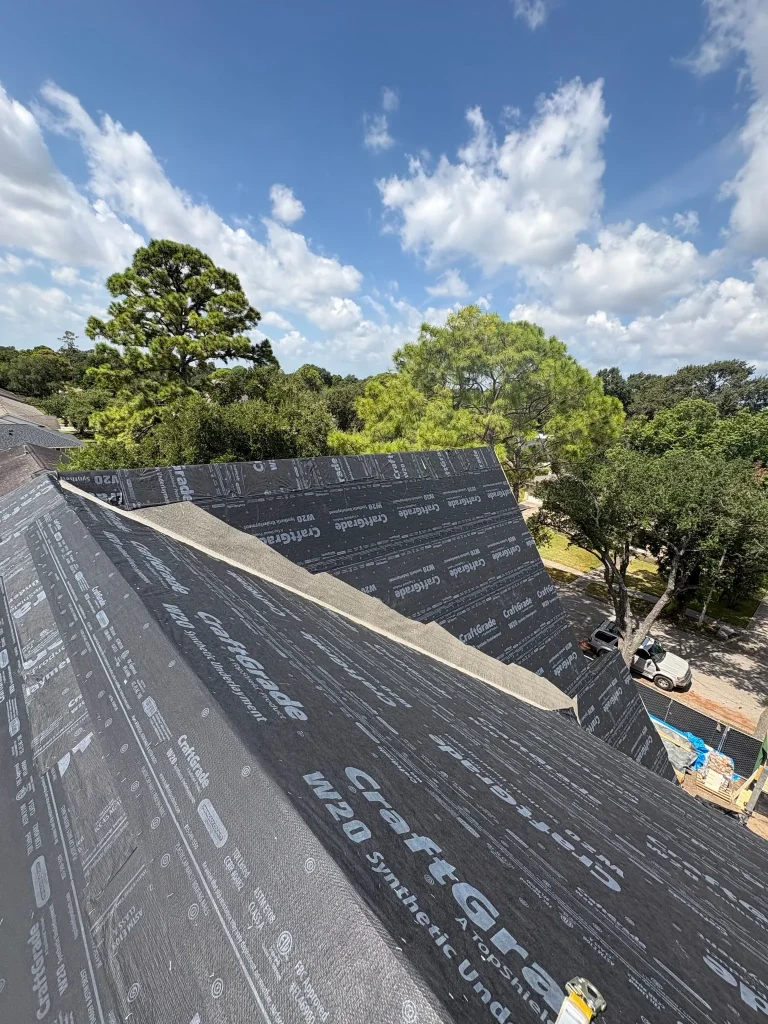
- Roof built as a system: secure roof deck and roof-to-wall connections, quality underlayment and careful flashing at every edge and penetration.
- Openings that hold: windows, doors and garage doors selected and installed for the wind requirements of your lot, with storm shutters available (see our Galveston beach house).
- Water kept out when rain blows sideways: a continuous weather barrier behind the siding and flashing at every window and door.
2. Flooding and heavy rain
Hurricane Harvey dropped more than 50 inches of rain on parts of the Houston area in 2017, and many neighborhoods we work in, including parts of Bellaire, Meyerland and Memorial, sit low or near a bayou. Most flood risk can be planned for before you ever break ground.
Start with the flood zone, not the floor plan
Before design starts, we look up the lot on the FEMA flood maps and the local floodplain maps, check the elevation of the lot and the street, and look at how water moves across the property and the neighbors’ lots. That tells us how high the finished floor needs to be and how much room there is to manage drainage.
Know your city’s elevation rules
Each city sets its own rules. The City of Houston, Bellaire, Southside Place and the Memorial Villages all review drainage and floodplain requirements differently, and a teardown in a mapped floodplain usually has to be built higher than the home it replaces. We confirm the requirements for your specific lot with the city early, so the design and budget are built around them instead of discovering them at permit review.
Plan the slab height and grading together
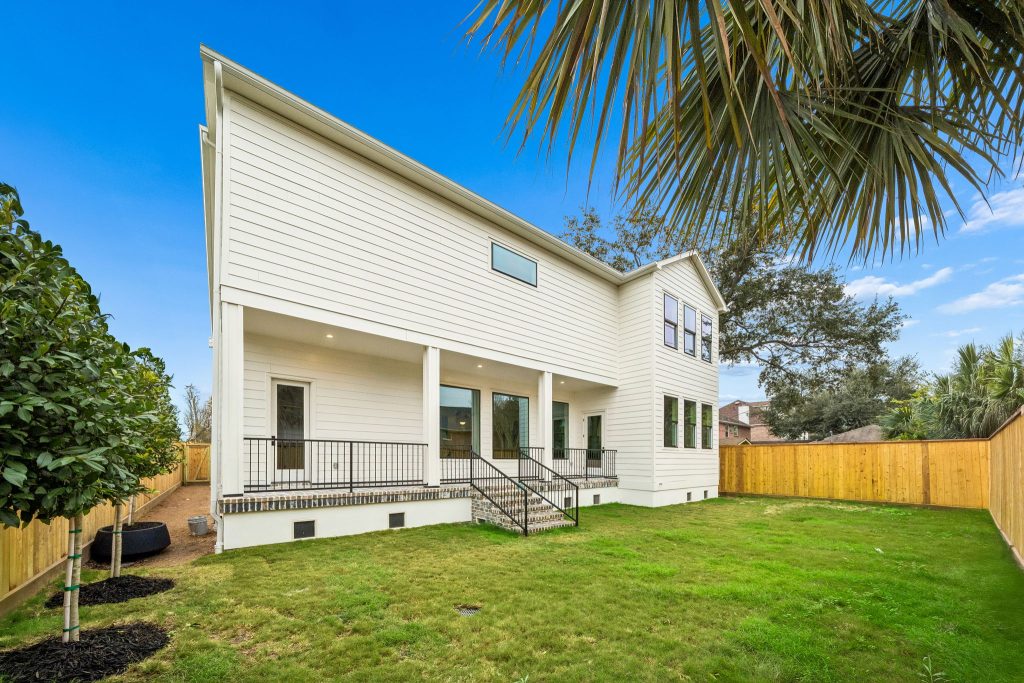
Raising the slab is only half of it. The yard has to slope water away from the house and toward the street or a drainage system, without pushing it onto the neighbors. That means planning the slab height, the grading, driveway slopes and any drains or swales at the same time.
Keep water out of the structure
- Flashing and weather barriers at every window, door and roof penetration.
- Roofing and gutters sized for Houston downpours, with downspouts that move water well away from the foundation.
- Waterproofing in every wet area inside the home.
- Materials that tolerate moisture in the places most likely to see water.
Think about the mechanical systems
Where the HVAC equipment, water heater and electrical panel go matters in a flood-prone area. Keeping key equipment up off the ground and out of the lowest parts of the property protects the systems that are most expensive to replace.
Houston’s post-Harvey rule, in plain terms
After Harvey, the City of Houston updated its floodplain rules (Chapter 19 of the city code). New homes in the 100-year and 500-year floodplains must now have the lowest floor at least 2 feet above the 500-year flood elevation. That is a much higher bar than it used to be, and it can change the height of the slab, the number of steps to the front door, the driveway slope and even the look of the house. Nearby cities like Bellaire and the Memorial Villages have their own rules, so we check the requirements for your specific lot and city before design starts.
3. Heat
Houston summers bring long stretches in the upper 90s. A home that leaks air or has a poorly sized AC system works hard all summer and still feels hot upstairs.
- Tight air sealing so cooled air stays in and hot, humid air stays out.
- Quality insulation in walls and the attic, where Houston heat builds up.
- HVAC designed for the house, not by rule of thumb. Our founder is a mechanical engineer, and system design is where that shows most.
4. Humidity and moisture
Humidity is the quiet threat. It does not make the news, but it causes more long-term damage to Houston homes than almost anything else: mold behind walls, rotted framing, swelling trim and cabinets, and musty indoor air.
- Moisture management in the walls and roof so water vapor has a way out.
- Dehumidification built into the HVAC design so the house stays dry, not just cool.
- Waterproofing in every wet area before tile goes in. Read our guide to bathroom waterproofing and epoxy grout.
5. Hard freezes
Freezes are rare in Houston, which is exactly why homes are not always built for them. The February 2021 winter storm burst pipes in homes across the city.
- Water lines kept out of exterior walls and unconditioned spaces where possible, and insulated where they are not.
- Hose bibs and exposed lines protected.
- A main water shutoff that is easy to find and reach in an emergency.
6. Power outages after storms
After a major storm, power can be out for days in Houston heat. A home can be planned for that before it is built.
- Generator-ready design: transfer switch, gas line and pad location planned so a standby generator is simple to add.
- Equipment above likely water: HVAC, water heater and electrical panel kept up and out of the lowest parts of the property.
Your lot checklist for flood risk
| What to check | Why it matters | When |
|---|---|---|
| FEMA and local flood zone | Sets the minimum floor height and permit requirements | Before you buy or design |
| Lot and street elevation | Shows how high the slab needs to be and how water will drain | Before design |
| Flooding history of the lot and street | Tells you what the maps may not | Before you buy |
| Drainage paths and neighbors’ lots | Water has to leave your lot without flooding theirs | During design |
| Utility and equipment locations | Keeps HVAC, water heater and panel above likely water levels | During design |
| Elevation certificate | Needed for permits and for flood insurance pricing | During and after construction |
Flood insurance and the elevation certificate
Standard homeowners insurance does not cover flooding. Flood insurance through the National Flood Insurance Program or a private carrier is priced in part on how high the home sits, and an elevation certificate documents that. Building higher than the minimum can lower your premiums and protect resale value, since Texas sellers now have to disclose past flooding.
Renovating instead of building?
Flood rules can apply to renovations too. In a mapped floodplain, if the cost of a remodel or addition reaches 50% or more of the home’s market value, it is treated as a “substantial improvement,” and the whole house may need to meet current elevation rules. That can turn a renovation into a lift or a teardown and rebuild, so we look at this early, before you commit to plans.
Common questions
- Can you build in a floodplain? Yes, in most cases. It takes the right elevation, drainage plan and permits.
- Does a higher slab change the look of the house? It can. We plan steps, porches and landscaping so the home looks right at its new height.
- Is a teardown in a floodplain worth it? Often it is. A new home built to today’s rules is safer, easier to insure and easier to sell.
- Do you build for hurricane-force wind? Yes. Roof, window, door and garage door details are planned for high wind, and we meet or exceed the wind requirements for your city and lot.
- Can my home be ready for a generator? Yes. We can plan the transfer switch, gas line and pad location during design so a standby generator is simple to add.
- What about freezes like February 2021? We keep water lines out of exterior walls and unconditioned spaces where we can, insulate the ones that are not, and make the main shutoff easy to reach.
Planning a new home or teardown?
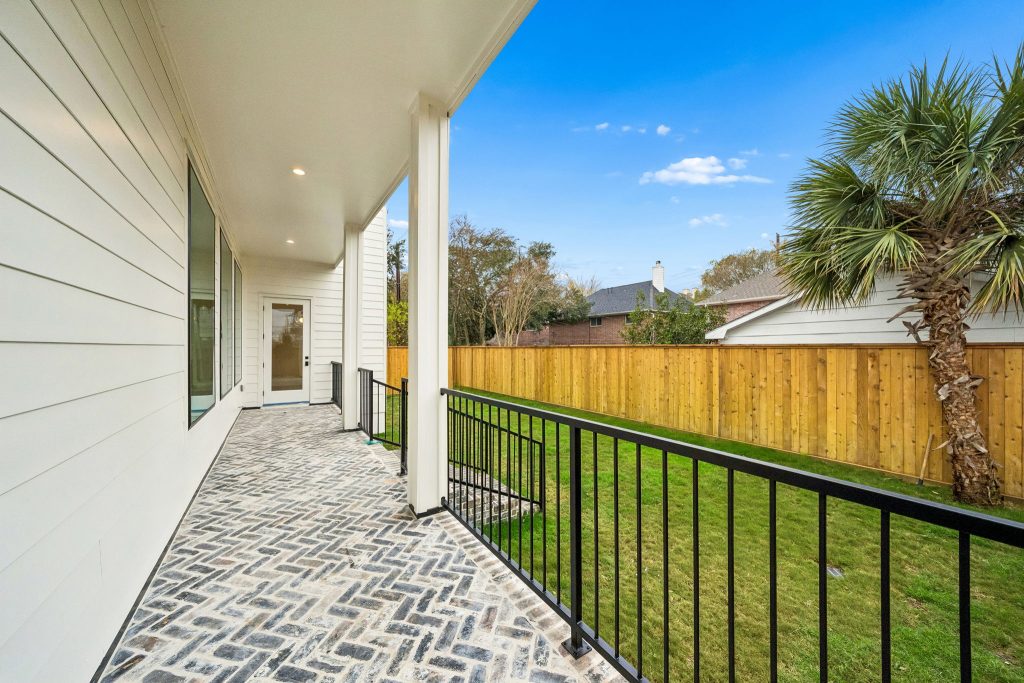
Every Select Build project starts with a site visit where we review the flood zone, elevation and drainage before design begins. See how it works on our Our Process page, or tell us about your lot.